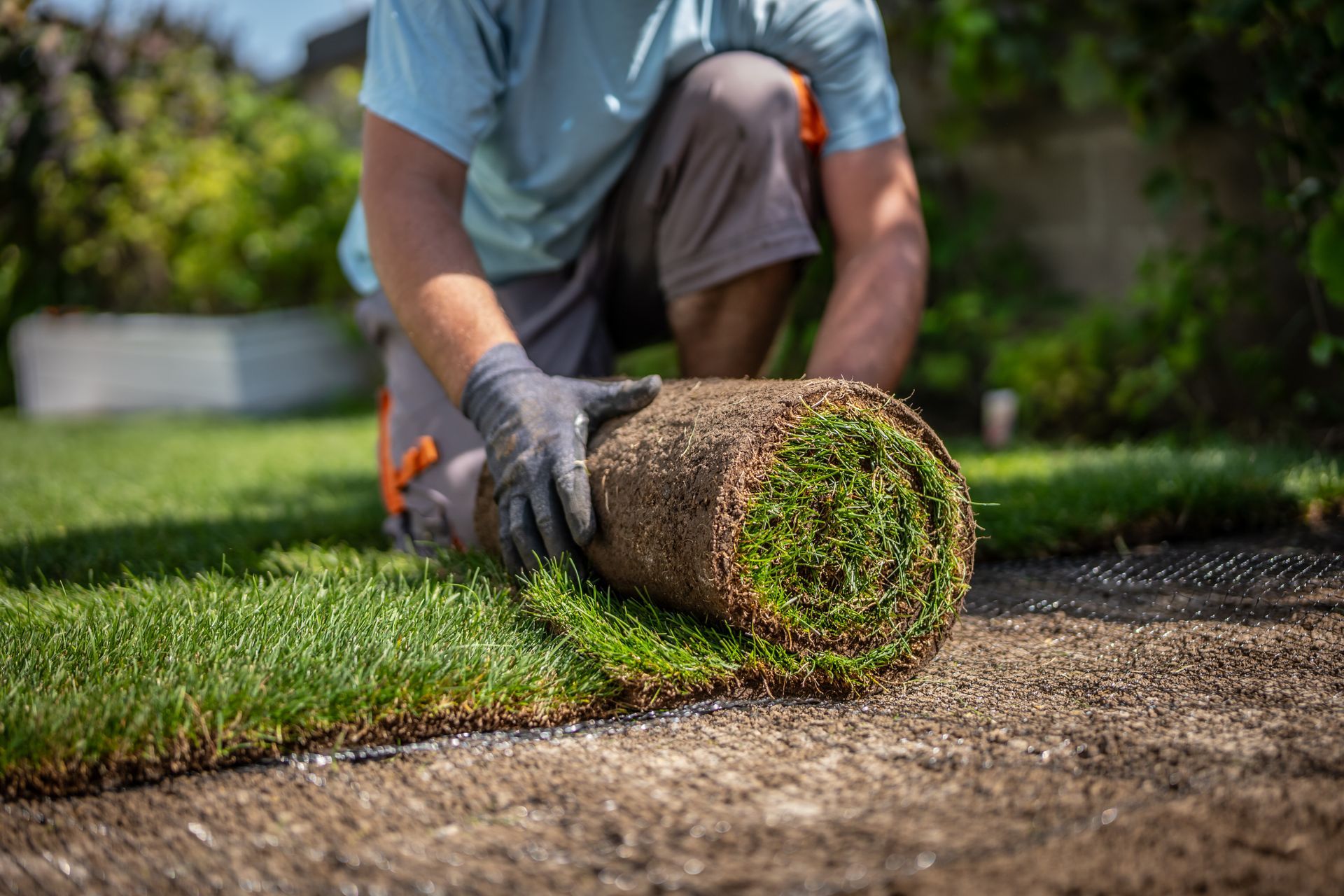
If you’re searching for the best way to grow a vibrant, healthy lawn, planting Kentucky bluegrass seed in Fountain, CO, offers an excellent choice. At Templeton Gap Turf Farm LLC, we’ve seen firsthand how proper planting techniques can transform outdoor spaces. Whether you’re starting from scratch or overseeding an existing lawn, understanding the right steps can make all the difference. This article provides a comprehensive, easy-to-follow guide filled with expert advice on soil preparation, fertilization, irrigation, and common pitfalls to avoid, ensuring your Kentucky bluegrass flourishes beautifully all season long.
Understanding Kentucky Bluegrass and Why It’s Ideal for Fountain, CO
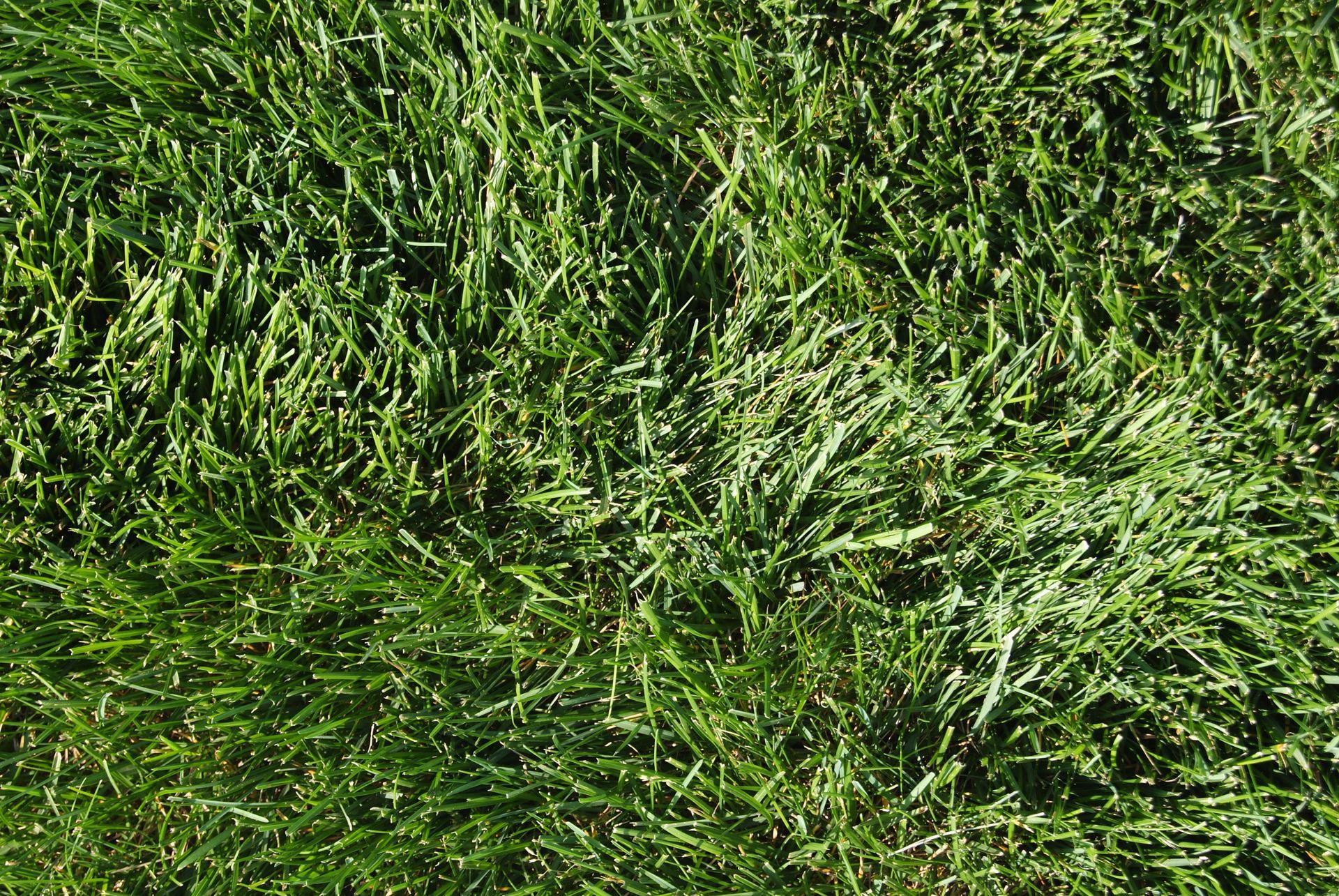
Kentucky bluegrass is known for its rich green color, fine texture, and excellent density, making it a popular choice in many lawns across Colorado, including Fountain. Its ability to establish a thick, carpet-like turf helps it resist drought and recover from wear and tear, ideal characteristics for residential lawns exposed to Colorado’s seasonal changes. Knowing this helps set realistic expectations about growth timelines and lawn maintenance, so you’re prepared to nurture your lawn properly from seed to established grass.
Step-by-Step Guide to Planting Kentucky Bluegrass Seed
1. Soil Preparation
Proper soil preparation is the cornerstone of successful Kentucky bluegrass growth. Begin by testing your soil’s pH level; Kentucky bluegrass thrives best at a pH between 6.0 and 7.0. Adjust your soil’s acidity accordingly using lime or sulfur if necessary. Next, clear the area of rocks, debris, and old grass patches to provide an open seedbed.
Till the soil to a depth of 4–6 inches to loosen compacted earth. This improves seed-to-soil contact, crucial for germination. Rake the tilled soil until it’s smooth and level, creating an ideal surface for spreading seeds evenly.
2. Fertilization Before Seeding
Applying a starter fertilizer high in phosphorus promotes strong root development in young seedlings. A balanced fertilizer with an N-P-K ratio such as 10-20-10 is recommended for newly planted Kentucky bluegrass seed. Follow manufacturer directions to avoid over-fertilizing, which can damage the delicate seedlings.
3. Choosing and Spreading Your Kentucky Bluegrass Seed
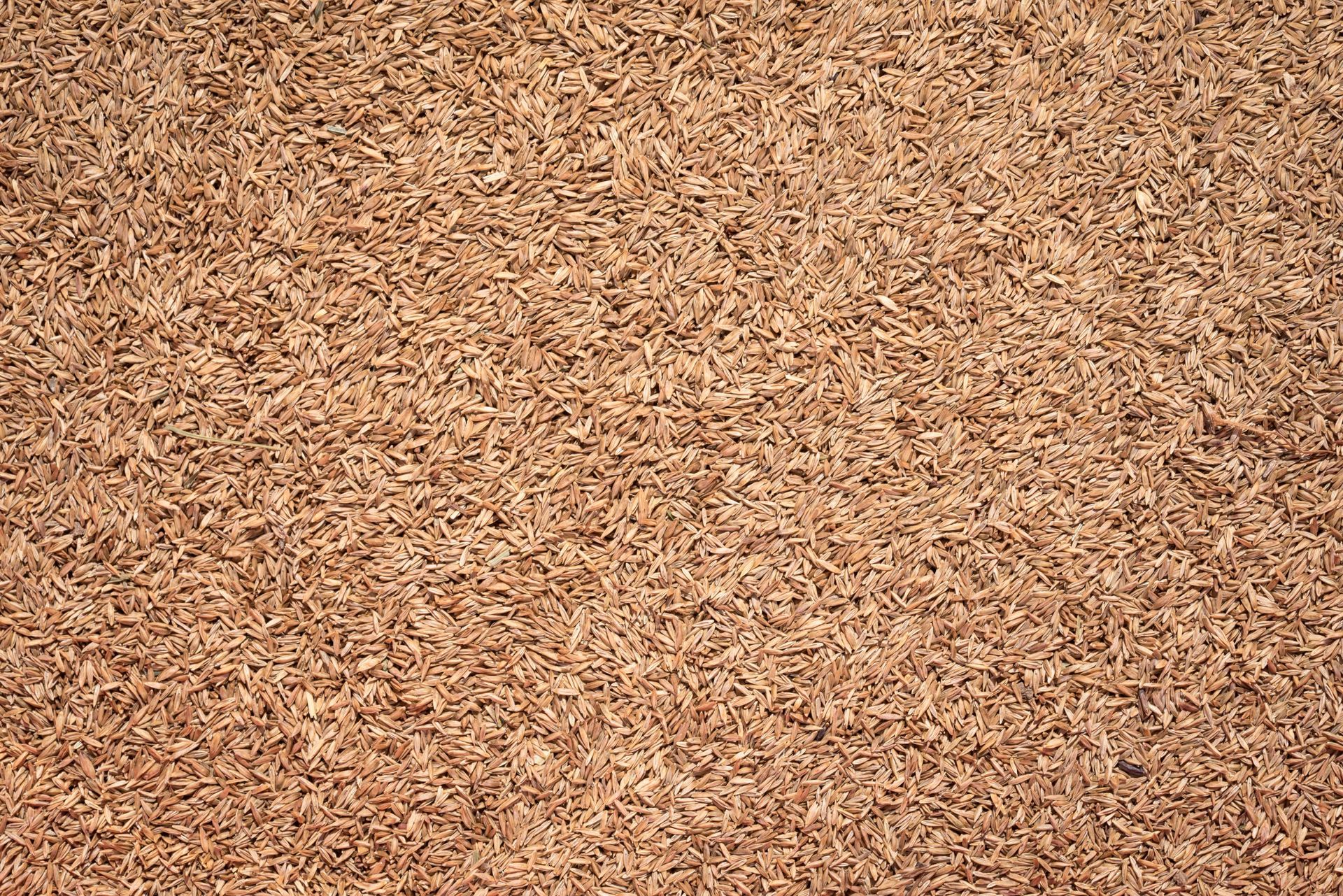
Select a quality Kentucky bluegrass seed blend suited for Fountain, CO’s climate, focusing on disease-resistant and drought-tolerant varieties. Use a broadcast spreader for even seed distribution, applying seed at a recommended rate of about 2 to 3 pounds per 1,000 square feet. For larger areas, planting in two perpendicular directions helps achieve uniform grass coverage.
After seeding, gently rake the area to lightly cover the seeds with 1/8 to 1/4 inch of soil, protecting them from being washed away and aiding moisture retention.
4. Proper Irrigation Practices
Watering is critical to successful Kentucky bluegrass seed germination. Immediately after planting, irrigate lightly but thoroughly to moisten the soil without causing puddling or run-off. Maintain consistent moisture with multiple daily light watering sessions, gradually reducing frequency as seedlings establish. After the grass reaches about one inch tall, transition to deeper, less frequent watering to encourage root growth.
5. Avoiding Common Mistakes
Several common errors can hinder Kentucky bluegrass lawn success. Overwatering may cause seed rot or fungal diseases, while underwatering leads to seed drying out and poor germination. Uneven seed spread creates patchy turf, and neglecting soil preparation reduces seed-to-soil contact and weakens root establishment. Following the steps above helps avoid these pitfalls.
Timeline for Germination and Lawn Establishment
Kentucky bluegrass typically begins germinating within 14 to 21 days under ideal conditions in Fountain, CO. Patience is key: it can take up to 6 to 8 weeks for a fully established lawn ready for regular use. During this time, continue proper watering and avoid heavy foot traffic to protect vulnerable seedlings. Kentucky bluegrass will gradually thicken and develop a deep root system, increasing its drought tolerance and overall durability. Regular mowing once the grass reaches about 3 inches tall will also encourage healthy growth and help maintain a uniform lawn.
Why Use Kentucky Bluegrass Seed from Fountain, CO, Sources
Choosing local Kentucky bluegrass tailored for Fountain, CO’s environment improves your lawn’s success rate. Locally sourced or adapted seed provides superior disease resistance and climate resilience compared to generic mixes purchased out of region. As a trusted supplier, Templeton Gap Turf Farm LLC offers varieties tested and selected for Fountain’s terrain and weather patterns, helping ensure a thick, healthy lawn that lasts for years.
Ready to Grow Your Perfect Kentucky Bluegrass Lawn?
Planting Kentucky bluegrass requires patience, care, and attention to detail. From preparing your soil properly, fertilizing at the right time, spreading seed evenly, to watering consistently, each step plays a vital role in achieving a lush, green lawn. Avoiding common mistakes and understanding the growth timeline equips you to nurture your lawn successfully. If you want to guarantee the best results with Kentucky bluegrass, partner with knowledgeable local experts like Templeton Gap Turf Farm LLC. Call to learn more about our premium Kentucky bluegrass seed varieties and expert lawn care advice. Your dream lawn starts with the right seed; plant smart and grow strong!